Why Strategy Fails Without Execution — And How Coaching Closes the Gap
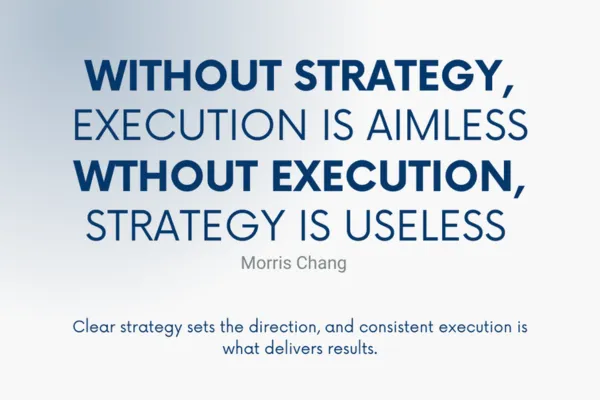
A solid strategic plan is an important milestone for any business. It gives direction, aligns leadership, and clarifies priorities. But a plan on its own does not create results — people and systems do.
Execution often falters for a few common reasons:
Leaders get pulled back into daily operations
Strategic goals aren’t clearly translated into team-level actions
Progress isn’t measured consistently
Accountability becomes unclear
Momentum fades after the initial planning phase
Over time, even the best plan becomes just another document instead of a living guide for decision-making.
A Story from the Field
Many business leaders describe a familiar experience:
“We have a great strategic plan — I just don’t feel like we’re actually moving it forward.”
In one such situation, a leadership team had spent time developing a thoughtful plan with clear objectives. Everyone agreed on the direction, but within a few months, execution had stalled. Managers were focused on urgent tasks, meetings were reactive, and progress toward strategic goals was rarely discussed.
Through leadership & team coaching, the focus shifted from what the strategy was to how it would be executed. Together, we:
Clarified ownership for each strategic priority
Translated high-level goals into operational actions
Established simple metrics to track progress
Created a regular rhythm for reviewing results
As execution improved, so did confidence. Leaders spent less time reacting and more time leading. Teams understood how their work connected to the bigger picture. The plan stopped sitting on the shelf — it became a tool the business used every week.
The Role of Business Coaching in Execution
Business coaching plays a critical role in bridging the gap between strategy and results. A coach helps leaders:
Stay focused on priorities
Build accountability into their leadership rhythm
Identify obstacles early
Adjust course before problems grow
Maintain momentum over time
Execution doesn’t fail because leaders don’t care — it fails because they’re carrying too much alone.
